Starlink for forest watch and anti-poaching
Starlink for forest watch and anti-poaching in Kenya’s wildlife areas
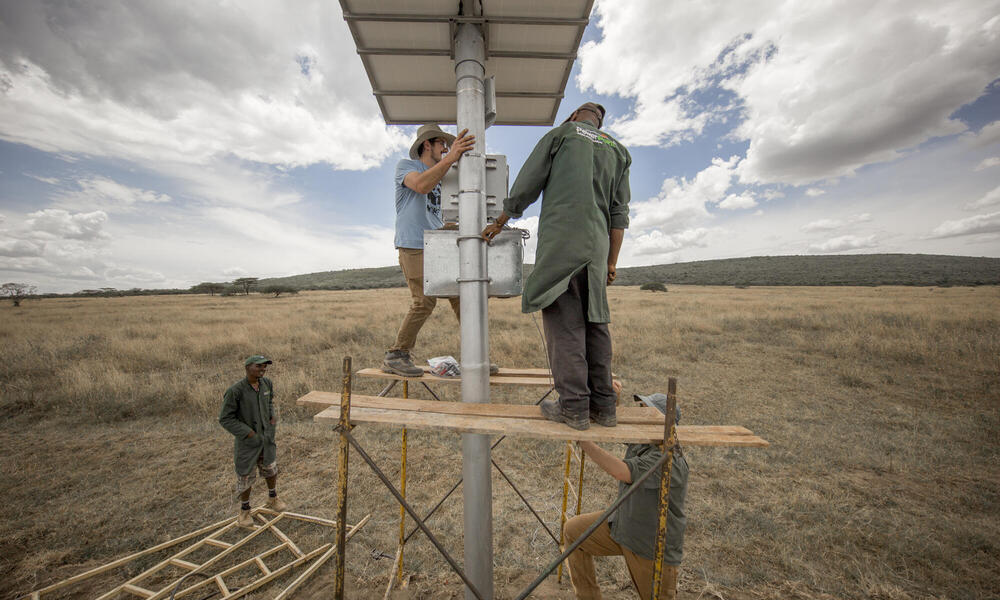
Across Kenya’s vast wildlife conservancies and forested zones, the challenge of monitoring illegal activity has long strained conservation teams. From the Maasai Mara to the depths of the Aberdare Range, poachers and loggers often exploit the isolation and poor connectivity of protected areas. Traditional internet networks, including 3G/4G signals or terrestrial fiber links, are largely absent in these zones. This is where Starlink’s satellite-based solution steps in as a game-changer, providing real-time communication and surveillance support in even the most rugged terrains. By delivering high-speed connectivity without dependence on existing infrastructure, Starlink is quietly transforming how rangers, scouts, and anti-poaching units operate.
Several pilot projects and private conservancies have already adopted Starlink kits, linking them with drone surveillance tools, GPS-tagged cameras, and rapid-response systems. This is especially useful in areas like Tsavo and Samburu, where vast distances and rugged landscapes make real-time coordination almost impossible with conventional networks. In places previously cut off from even basic radio contact, rangers now benefit from instant data transfer, cloud-based monitoring, and VoIP calls. These upgrades are helping teams track movements, identify intrusions, and coordinate responses faster than ever. You can see how it works in actual field deployments or explore how others are integrating Starlink into remote wildlife protection systems across East Africa.
Starlink’s ability to maintain strong performance even in deep forested or mountainous zones is crucial. In locations where canopy cover, rain, or terrain often interfere with line-of-sight communication systems, the Starlink antenna proves to be both reliable and simple to align. Forest outposts that previously relied on HF radio now operate more efficiently, transmitting alerts, footage, and GPS positions over cloud dashboards. This ability to stream live feeds from motion-triggered cameras or aerial drone scouts is especially powerful for night-time surveillance or during high-risk patrol missions.
Anti-poaching teams in Kenya often operate in isolated posts without electricity or mobile signal. Starlink’s compatibility with solar power allows these stations to stay connected off-grid. A basic solar setup—equipped with an inverter and battery bank—can support a Starlink terminal with ease. This means that a ranger camp deep in a protected forest can now run advanced systems such as real-time mapping, instant weather alerts, and AI-supported animal tracking tools. The internet’s role is not just in communication, but in turning intelligence into action, rapidly.
The issue of response time is central in anti-poaching operations. In many cases, the difference between saving or losing a threatened species is how quickly field units can move after a sighting or alert. With Starlink, command centers in Nairobi or regional HQs in Isiolo and Voi can maintain 24/7 contact with ground patrols. This is especially valuable when coordinating cross-county efforts or when tracking movements across park boundaries. Information is no longer delayed by days due to manual reporting—it is live, visual, and accurate.
Beyond poaching, illegal logging and charcoal burning have devastated Kenya’s forests. In the Mau Complex and Cherangany Hills, forest guards are now deploying connected trail cameras and mobile sensors linked via Starlink. These can detect vehicle movement, chainsaw activity, or even human presence in restricted areas. Alerts are sent instantly to control rooms, enabling early intervention. Starlink allows the integration of data from various sources—satellite images, camera feeds, motion sensors—into a unified system accessible from any connected device.
Kenya Wildlife Service (KWS) and various NGOs are also using Starlink to support ranger welfare. Isolated posts with internet can offer rangers access to training videos, health consultations, and family calls—all previously unavailable luxuries. Morale, which is often overlooked in conservation work, improves when rangers can remain connected to the outside world. Field bases are also using connectivity for digital reporting, reducing paperwork, and enhancing the professionalism of wildlife law enforcement.
Another benefit is the potential for community inclusion. Many areas bordering game parks or forests host pastoralist or farming communities. These communities can be partners in conservation if properly equipped. By installing shared Starlink internet hubs in strategic points, both rangers and local leaders can coordinate better. Community scouts can relay suspicious activities in real-time, receive updates from park authorities, or participate in digital awareness programs. This inclusive model helps reduce conflict and improves conservation results.
Starlink also opens the door for educational tools in conservancies. Nature-based tourism operators are starting to use the internet to livestream animal activity to global audiences. Schools and guests at eco-lodges can now connect, learn, and interact directly with conservation scientists working in the field. Such initiatives bring visibility to conservation issues while generating income for local custodians of Kenya’s rich natural heritage. Starlink transforms even the most remote lodge or research camp into a digital window into Kenya’s wild beauty.
While the initial cost of a Starlink kit may seem high, the value it brings to anti-poaching operations and forest protection is far greater. When weighed against the cost of losing a single elephant or acre of endangered forest, the return on investment is clear. Starlink makes technology accessible where it was once impossible. It brings surveillance, coordination, and communication to the frontline of conservation—where it is needed most.
Looking ahead, as more conservation units adopt this technology, we are likely to see a shift in how Kenya secures its biodiversity. With better data, faster response, and tighter collaboration, Starlink offers a tool that strengthens Kenya’s ability to protect its most vulnerable wildlife and forest ecosystems. For areas where mobile networks and fiber will never reach, Starlink is not just an option—it is the future.
Don\’t struggle with your essays alone. Trust our essay writing experts at Saseni.com
At Saseni.com, we have a team of expert essay writers ready to assist you with your writing needs. Our essay writing experts are highly qualified, experienced, and passionate about delivering top-quality essays. Whether you need help with a research paper, an argumentative essay, a persuasive essay, or any other type of academic writing, our experts are here to provide you with the assistance you need.
 Hire Essay Writer