Starlink internet for Kenyan health clinics
Starlink internet for Kenyan health clinics: Improving rural telemedicine
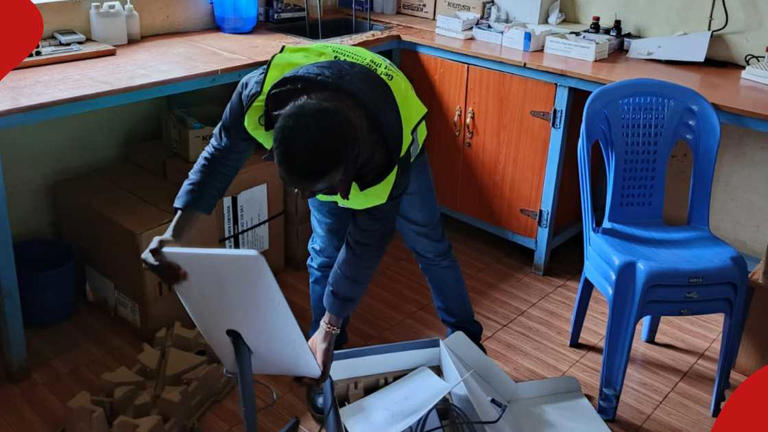
In many rural parts of Kenya, access to quality healthcare is limited not just by distance but by the absence of digital connectivity. Health clinics in counties like Turkana, Marsabit, Garissa, and parts of Bomet often rely on manual record-keeping, delayed referrals, and radio-based communication due to the lack of fast internet. This disconnect has placed rural populations at a severe disadvantage, especially when it comes to emergency care, remote diagnosis, and access to medical knowledge. But the arrival of Starlink—a satellite internet service—has started to change how remote clinics operate. If you’re not familiar with how it functions, this simple breakdown of Starlink technology in Kenya helps explain how it bypasses terrestrial infrastructure to deliver high-speed internet directly from satellites to a dish installed at any site, even in the most off-grid villages.
What’s truly transformative is that once Starlink is installed, a health clinic in a place with no mobile signal or fiber connection can suddenly conduct video consultations, transfer medical records securely, and access cloud-based patient systems. Several test cases have shown impressive outcomes. For example, see real-life performance feedback from remote installations here, which document how consistent internet speeds between 50 Mbps and 150 Mbps are making real-time communication possible. Clinics that previously relied on paper forms to refer patients can now send radiology images, test results, and prescriptions to specialists in Nairobi or Mombasa instantly.
A major breakthrough Starlink brings is in the realm of telemedicine. Through apps like Zoom, Microsoft Teams, or dedicated healthcare platforms like Daktari Popote, rural clinics can hold virtual consultations between patients and distant doctors. A clinical officer in Isiolo or Kwale, for instance, can now connect a patient with a neurologist in Nairobi without having to arrange costly transport. Conditions that require fast diagnosis, such as stroke symptoms or high-risk pregnancies, benefit enormously from this kind of digital intervention.
Medical staff can also engage in remote training and certification programs. Without needing to leave their posts, nurses and clinicians in rural outposts can join online workshops, participate in CME (Continuing Medical Education) sessions, and even complete online medical courses. Before Starlink, these kinds of learning experiences were inaccessible unless the healthcare worker travelled to urban centers—an action that often left the clinic temporarily unmanned.
Another critical use case for Starlink in rural clinics is the ability to update and sync medical inventory systems in real time. Instead of using guesswork to manage drug stock, dispensaries can now use cloud-based software to monitor stock levels, reorder medication, and prevent stockouts of essential drugs like insulin, antibiotics, and ARVs. The same systems can track vaccinations and child health indicators, feeding into national systems that monitor health trends across the country.
The issue of power, a constant obstacle in remote areas, doesn’t hinder Starlink operations. Its dish and router can run comfortably on solar setups common in most health facilities. Consuming roughly 60 to 100 watts, Starlink can operate alongside refrigerators, lighting, and computers without overwhelming basic solar batteries. Some clinics in Samburu and Tana River have integrated Starlink with small off-grid solar kits to keep their systems online day and night.
Communication with medical suppliers, county health directors, and emergency responders is also vastly improved with a steady internet connection. Instead of waiting days to submit reports, rural health clinics can now email daily tallies, update real-time dashboards, and make WhatsApp video calls to regional centers. During outbreaks like cholera or dengue fever, this kind of instant communication can be lifesaving, enabling quicker response times and better coordination.
Patients also stand to benefit directly. Many remote families cannot afford transport to district hospitals. With telehealth platforms supported by Starlink, patients can speak to specialists, receive medical guidance, and even access second opinions—right from their local dispensary. This has particularly helped those managing chronic illnesses, who no longer have to travel long distances for every follow-up appointment.
Another area seeing rapid improvement is digital medical record keeping. With reliable internet, rural clinics can now use systems like KenyaEMR and OpenMRS to maintain patient files securely in the cloud. This not only reduces the risk of lost records but also improves continuity of care. When a patient visits a different facility, their file can be accessed instantly—something that was nearly impossible in purely paper-based systems.
Challenges remain, mainly around cost. A full Starlink setup currently costs about KSh 90,000 for the equipment and KSh 6,500 for monthly internet service. While this might seem expensive, many county governments, international health NGOs, and donors are stepping in to cover the costs in high-need areas. In fact, some of the earliest rural clinics to adopt Starlink have done so through public-private partnerships or medical missions funded by development partners.
The technical setup is relatively simple, and once the dish is mounted, most clinics report only rare interruptions, mostly during extremely heavy rain. The system updates itself, and minimal maintenance is required. For installation help or ongoing support, you can find specialized Starlink technicians and services operating in Kenya’s healthcare sector, ensuring the connection stays strong even in remote corners of the country.
In summary, Starlink is more than just a way to get online—it’s a life-saving tool in Kenya’s rural health sector. Clinics that once worked in isolation now have a direct line to national systems, specialists, training, and digital health platforms. The internet gap is no longer just about convenience—it’s about health equity, timely intervention, and the right to quality care no matter where someone lives. As Starlink expands, it promises to rewire healthcare delivery and give every Kenyan, regardless of geography, a fighting chance at better health.
Don\’t struggle with your essays alone. Trust our essay writing experts at Saseni.com
At Saseni.com, we have a team of expert essay writers ready to assist you with your writing needs. Our essay writing experts are highly qualified, experienced, and passionate about delivering top-quality essays. Whether you need help with a research paper, an argumentative essay, a persuasive essay, or any other type of academic writing, our experts are here to provide you with the assistance you need.
 Hire Essay Writer