Starlink installation in Kenya
Starlink installation in Kenya: Tips for setting up in rural locations
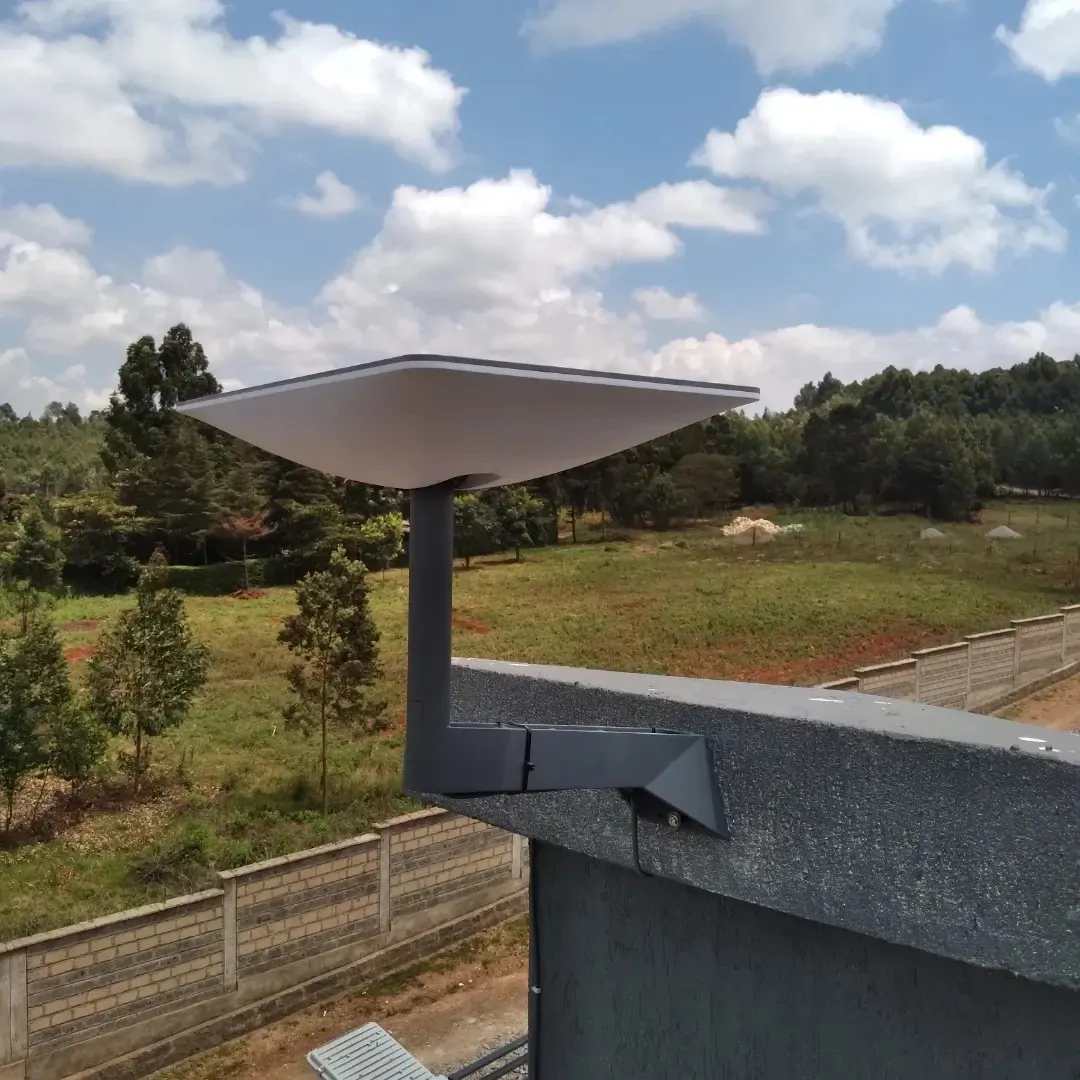
For many Kenyans living in rural areas, Starlink has opened up new possibilities for high-speed internet access. But once you receive your Starlink kit, the next big challenge is proper installation—especially in remote villages, farms, schools, and small trading centers. Installation in such locations differs significantly from urban setups. Poor placement, weak mounting, or interference can reduce performance. If you’re unfamiliar with how Starlink operates, you can learn how the system works across Kenya in a simple guide that walks you through the hardware and coverage. It’s crucial to understand this before installation so you know what to expect and how to optimize the connection.
Starlink needs a clear view of the sky. In most rural parts of Kenya, that’s an advantage because buildings and towers are fewer than in towns. However, large trees, tall hills, or even water tanks can interrupt the signal if placed in the satellite’s line of sight. A helpful guide shows real-life installation issues and best practices from remote Starlink users, including how rural households are modifying roofs or using poles to maximize signal reliability.
One of the most important tips for rural Starlink installation is elevation. Your dish—often called Dishy—must be elevated high enough to avoid obstruction. In hilly areas like Kericho or Kisii, placing the dish on the highest section of a tin roof or a specially mounted pole gives the best results. Avoid positioning the dish near chimneys, water tanks, or solar panels that may block signal. If you’re in a very flat area, such as parts of Garissa or Tana River, a simple metal pole or wooden mast will often do the trick. The goal is to give the dish as wide and clear a view of the sky as possible.
Another major factor is securing the mounting hardware. Kenyan rural homes often use iron-sheet roofs, makuti thatch, or even mud walls. If you’re drilling into corrugated iron, make sure to use stainless steel screws and waterproof rubber washers to avoid leaks during the rainy season. For installations on wooden poles, tie the dish firmly with UV-resistant cable ties and add reinforcement using L-brackets if needed. A shaky or tilting dish will interrupt the signal and reduce internet speed. In windy or storm-prone areas like Nyandarua or Mount Elgon, it’s advisable to cement your base or use concrete blocks to keep the mount firm.
For powering the system, Starlink requires stable electricity. Most rural households using Starlink rely on solar energy, especially in off-grid regions. Ensure your solar system provides at least 100W of continuous power with a voltage of 100-240V AC, which is required to power the Starlink router and dish. If your solar setup is limited, consider adding a power backup system or a larger inverter to avoid cutoffs during cloudy days. Some users in Kitui and Samburu have shared success stories using battery banks and inverter systems for 24-hour internet uptime.
The Wi-Fi coverage inside rural homes also deserves attention. Many Starlink users place the router inside a main sitting room, but thick stone walls or metal doors can block signal in other rooms or outside verandas. A good strategy is to elevate the router slightly above furniture level, and if necessary, invest in a Wi-Fi extender or mesh node to spread coverage across your compound. This is especially helpful for schools, dispensaries, or homesteads with several detached buildings.
Cabling is another overlooked detail. The original Starlink cable from the dish to the router is about 15–30 meters, but rural setups often require longer runs. Avoid cutting or extending the original cable unless you are certain of what you’re doing. The connectors are specific, and improper modifications can void your warranty. Instead, plan your dish location with the cable length in mind, or order longer official Starlink cables if needed. Also, secure cables with plastic clips to prevent damage from goats, chickens, or children playing around the compound.
Starlink’s app is extremely useful during installation. It has a “Check for obstructions” feature that uses your phone camera to detect anything that could block the signal. Before mounting the dish permanently, use this feature to test several positions around your homestead—on rooftops, on a tree stump, or on a pole. Choose the spot with the least obstruction and strongest signal. Once installed, monitor uptime and signal strength through the app’s performance dashboard, which helps detect issues early.
Some users in remote Kenya have also faced issues with extreme weather. Dust, heat, and moisture can affect the performance or longevity of the system. To protect the dish, place it under a vented protective cover made of mesh or a shade cloth, but never fully enclose it as it must still see the sky. In flood-prone areas, mount the dish at least 1 meter above ground to avoid water damage.
For those who want professional help, some vendors in Kenya offer Starlink installation services in rural areas. These services often include roof mounting, power setup, and signal optimization. However, many users report success with DIY installation by carefully following the instructions and using locally available materials like scaffolding poles, cement bases, and flexible cable conduits.
In summary, installing Starlink in rural Kenya is not difficult, but it does require careful planning. Key things to focus on include dish placement, mounting security, power stability, Wi-Fi coverage, and protection from environmental factors. When done correctly, you can expect reliable, high-speed internet even in the most remote parts of the country—bringing modern connectivity to places that have never had it before.
Don\’t struggle with your essays alone. Trust our essay writing experts at Saseni.com
At Saseni.com, we have a team of expert essay writers ready to assist you with your writing needs. Our essay writing experts are highly qualified, experienced, and passionate about delivering top-quality essays. Whether you need help with a research paper, an argumentative essay, a persuasive essay, or any other type of academic writing, our experts are here to provide you with the assistance you need.
 Hire Essay Writer