Starlink antenna alignment in Kenya
Starlink antenna alignment in Kenya: How to maximize signal in forested or hilly areas
In remote and forested parts of Kenya such as Kericho, Nyeri, or the slopes of Mt. Elgon, getting strong and stable Starlink internet depends heavily on proper antenna alignment. This is not just a technicality — it’s the difference between smooth streaming or frustrating connection drops. Starlink relies on a clear line of sight to low-orbit satellites, which means obstructions like hills, trees, or buildings can seriously degrade your service. To truly understand the challenges and opportunities in your area, you can first look at how Starlink works across different parts of Kenya, especially where traditional internet options like fiber or mobile data are unreliable.
The importance of proper alignment becomes even more apparent in hilly or forest-covered regions. When satellite visibility is interrupted — whether by a growing tree or an improperly placed dish — users may experience brief outages, buffering, or reduced speeds. Those living near Aberdares or parts of the Mau Escarpment have often turned to local installation guides and setup tips to figure out the best positions for their Starlink dishes. In many cases, experimenting with location and height makes a huge difference. Some users in West Pokot or Nandi North have taken their alignment even further by using signal tracking tools, or by consulting with Starlink service teams to reduce blind spots. A few others have reported success by following field-tested advice available on practical deployment support pages, especially for forest zones.
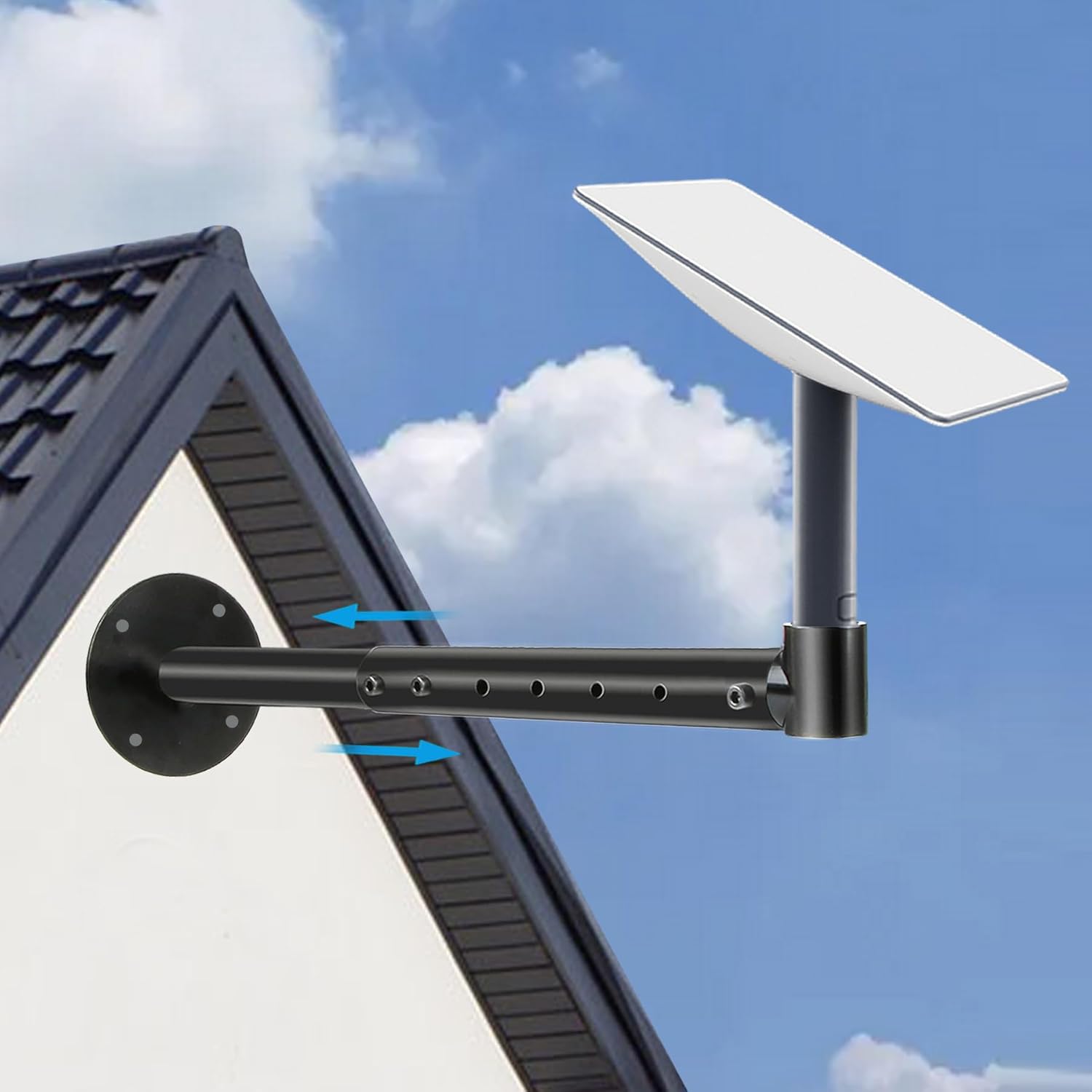
Elevation is one of the first key factors to get right. The higher the antenna is placed, the more sky it can “see.” This makes it easier for the dish to track satellites continuously throughout the day. In valleys or areas surrounded by trees, roof-mounted dishes or poles extending above the canopy have proven effective. Even raising the dish by a few meters can eliminate frequent disconnections caused by branches or nearby hills.
Equally important is clearing the surrounding area of obstacles. Starlink provides a mobile app that includes a sky visibility checker. This feature uses your phone’s camera to scan the sky from your chosen installation point, showing where obstructions could affect performance. In Kisii and Nyamira, many users have trimmed tree branches or moved their dish location based on this app’s feedback, often with excellent results.
Proper directional orientation is another aspect that affects alignment in Kenya. While the dish is motorized and self-aligning, most users have found improved performance when it has a clean view facing north or northeast. Blocking the southern part of the sky tends to interfere with handoffs between satellites, leading to micro-outages or slowdowns. If the terrain or buildings limit visibility in that direction, a higher mounting pole may be necessary.
Seasonal changes in vegetation can also affect long-term alignment. In many parts of Kenya, trees may grow significantly during the rainy seasons, especially in areas with rich soil like Kakamega or Meru. What might be a clear view today can become blocked in a few months if growth isn’t monitored. Users are encouraged to regularly revisit their alignment strategy, especially before and after the long rains or when signal degradation becomes noticeable.
Another concern is ensuring stability during wind or storms. Users in Laikipia and Narok have found that lightweight DIY mounts can lead to dish movement or shaking during gusts, which affects connectivity. Using heavier-duty mounts or anchoring brackets can provide more consistent performance. Some have even built reinforced concrete bases for their poles in particularly windy zones.
Power interruptions also play a role. If the dish loses power frequently, it takes longer to realign and reconnect to the satellites. Homes relying on solar setups are advised to include a reliable inverter or small battery backup for the Starlink router and antenna. This ensures continued connectivity, even when the sun isn’t shining or the primary system is in sleep mode.
Additionally, reducing nearby sources of electromagnetic interference — like television antennas, old satellite dishes, or electric fences — can improve alignment performance. In areas like Embu or Bungoma, some users noticed that moving their Starlink dish just a few meters away from such sources led to better stability.
Finally, always monitor your uptime via the Starlink app. If you notice frequent dropouts, it’s often an indication that some element of the alignment needs tweaking — either a visual obstruction has grown or the base has shifted slightly due to weather or soil movement. Regular checks are a small investment of time for a large return in service quality.
In summary, Starlink has unlocked reliable internet for many of Kenya’s hardest-to-reach communities — but its success depends heavily on where and how the antenna is placed. If you live in a hilly or forested area, smart positioning, sufficient elevation, and consistent maintenance are the keys to achieving a strong and uninterrupted signal. With proper alignment, even the most isolated homes and institutions can finally enjoy stable online access that rivals urban internet speeds.
Don\’t struggle with your essays alone. Trust our essay writing experts at Saseni.com
At Saseni.com, we have a team of expert essay writers ready to assist you with your writing needs. Our essay writing experts are highly qualified, experienced, and passionate about delivering top-quality essays. Whether you need help with a research paper, an argumentative essay, a persuasive essay, or any other type of academic writing, our experts are here to provide you with the assistance you need.
 Hire Essay Writer