Laptops for Small Businesses in Kenya | 12 Smart Checks
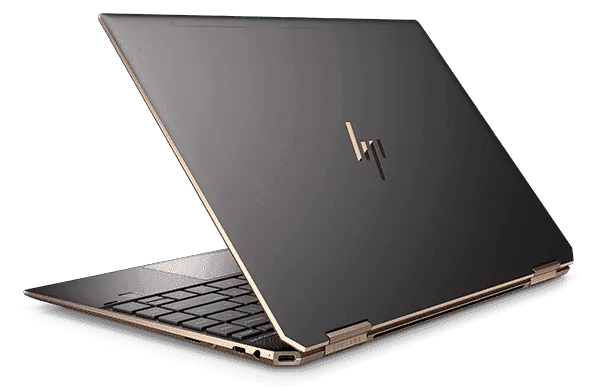
Choosing laptops for small businesses in Kenya starts with the work your team needs to complete every day. A computer for invoices, customer messages, stock records, and online meetings has different priorities from one used for video editing or technical design. The right purchase balances reliable performance, practical ports, comfortable typing, and clear after-sales support. Begin with a list of tasks and compare the exact specifications of each device before committing your budget.
1. Choose laptops for small businesses in Kenya around real tasks
Write down the applications your business uses and how many people will use the computer. A shop owner may need a browser, spreadsheet, printer, and accounting application. A consultant may spend more time in video calls and document editing. A designer should check the requirements of their creative software, including graphics hardware, rather than relying on a general office recommendation.
Consider the busiest working day, not just the lightest task. Several browser tabs, a meeting application, and a large workbook can run at the same time. Ask the seller to demonstrate a realistic combination where possible. A clear workload gives you a better comparison than a promise that a laptop is powerful or suitable for everything.
2. Compare the exact processor and model
When comparing laptops for small businesses in Kenya, read the complete processor name and generation. A broad label such as Core i5 does not explain the age, power requirements, or capabilities of the particular chip. Two computers carrying a similar product name can contain different processors and screens. Record the full configuration before comparing prices.
Start your shortlist with the MubarakTech laptop catalogue. Check each listing’s processor, memory, storage, and condition, then ask for confirmation of the exact unit available. If you depend on a particular application, consult its published system requirements and leave some room for future updates and larger workloads.
3. Give memory and storage enough attention
Useful laptops for small businesses in Kenya need enough memory for the applications you run together. Check both the installed RAM and whether an upgrade is possible. Some devices have soldered memory, while others provide accessible slots. Do not assume you can add more later. Ask about the supported capacity and the cost of any upgrade before buying.
An SSD can make everyday startup and file access more responsive than a traditional hard drive, but capacity still matters. Estimate the space needed for documents, photos, software, and downloaded files. Leave room for updates. Treat extra storage and backups as separate needs: a larger internal drive does not protect records if the computer is lost or damaged.
4. Check the screen, keyboard, and working position
Comfort matters when choosing laptops for small businesses in Kenya because administration can involve hours of typing and checking figures. Inspect screen resolution, brightness, and readability. Open a spreadsheet at your normal zoom level and see whether the text is comfortable. A larger screen can be convenient at a desk, while a smaller computer may be easier to carry between appointments.
Test the keyboard, touchpad, hinge, and charging socket. For frequent number entry, decide whether you need a number pad or a separate keyboard. If several colleagues share the computer, consider an external monitor and keyboard for desk use. Choose accessories around the available space and ports rather than buying a full set before checking the laptop.
5. Match ports to your existing equipment
Port selection can narrow down laptops for small businesses in Kenya quickly. List your receipt printer, office printer, external drive, monitor, scanner, and network connection. Check which connectors they use and whether their drivers support the computer’s operating system. A laptop with fewer ports may need an adapter, adding to both cost and desk clutter.
USB-C describes a connector shape, so confirm the supported data, charging, and display functions separately. For an external screen, check the laptop, adapter, and cable together. Browse the MubarakTech product catalogue when planning related equipment, and ask about compatibility with your existing devices before ordering a replacement or accessory.
6. Inspect battery performance and portability
For owners who travel, laptops for small businesses in Kenya should be manageable to carry and practical away from a desk. Compare the laptop’s weight together with its charger. Manufacturer battery estimates may differ from your experience with meetings, brighter screens, and mobile internet. Ask what the estimate covers rather than treating a single advertised runtime as a guarantee.
For a used or refurbished device, request information about battery condition and test operation while unplugged. Watch for unusual shutdowns and confirm the included charger is suitable for the computer. A tired battery can change the real purchase cost. If most work happens at a desk, screen comfort and dependable charging may matter more than minimum weight.
7. Compare new and refurbished devices fairly
New and refurbished laptops for small businesses in Kenya should be compared by exact condition and support terms. Refurbished devices can offer useful specifications for a limited budget, but inspect the actual unit. Check the display, keyboard, webcam, speakers, wireless connection, ports, and casing. Ask which components were tested or replaced and whether the battery is covered separately.
Do not rely on appearance alone. Confirm the operating system is properly licensed, the device is ready for normal setup, and any previous owner’s account or organizational management has been removed legitimately. Keep the receipt and written warranty. A clear return procedure is valuable if the delivered specification differs from the agreed configuration.
8. Plan records and software before the first day
Good laptops for small businesses in Kenya work best with an organized approach to files and accounts. Decide where invoices, supplier records, and customer documents belong. Give files consistent names and separate business data from personal downloads. Set up individual user accounts when people share a computer, and limit access according to each person’s responsibilities.
For a chama or member-based group, explore TAS chama management software for its contribution, loan, meeting, budget, and member-record features. Review the available tools and access controls against your group’s procedures before adopting them. A suitable computer supports record keeping, while clear processes help members understand how information is recorded and reviewed.
9. Budget for the complete working setup
The cost of laptops for small businesses in Kenya extends beyond the device itself. Allow for necessary software, a suitable bag, internet access, and any printer or monitor you actually need. Ask whether the quoted amount includes the charger and agreed upgrades. Keep optional accessories separate so you can see which purchases are essential for starting work.
For complementary mobile equipment, browse Nimtech’s online shop and confirm the specifications and availability of the item you need. A business phone or tablet can support communication while the laptop handles documents, but avoid duplicating equipment without a clear use. Confirm each seller’s delivery charges and support arrangements independently.
10. Ask sellers the same questions
Comparing laptops for small businesses in Kenya becomes easier when every seller answers the same checklist. Ask for the full model, processor, RAM, SSD capacity, display details, battery condition, operating system, and warranty. Request confirmation of the actual item available rather than relying only on a general product photograph. Keep the answers together for a like-for-like comparison.
You can explore JAAT’s business and product listings when identifying additional sellers or services. Verify the individual business and its terms directly. Before paying, confirm the total cost, delivery or collection method, receipt details, and the steps to follow if the computer arrives with a fault or an incorrect specification.
11. Test your normal workflow after delivery
Once laptops for small businesses in Kenya arrive, check them during the seller’s stated return period. Connect your normal printer, join a sample video call, open a working spreadsheet, and test charging and wireless connectivity. Use non-sensitive sample data until setup is complete. Compare the system information with the configuration on your receipt.
Install trusted updates and applications from official sources. Enable a screen lock and use unique passwords for business services. Set up a backup method and check that you can restore a sample file. Report problems promptly with the model details and clear symptoms. Keep packaging and documentation while the seller reviews any issue.
12. Choose for dependable everyday work
The most suitable laptops for small businesses in Kenya combine confirmed specifications, comfortable daily use, compatible connections, and understandable support terms. Start with your workload, compare a manageable shortlist, and consider the full setup cost. A device that fits your actual administration needs can be more useful than a higher-priced model with features your team never uses.
Before making the final decision, send the seller a concise description of your applications and existing equipment. Ask them to confirm the proposed configuration and any compatibility limits in writing. Keep your purchase records, arrange backups, and review how the computer performs during normal work. This turns a hardware purchase into a practical tool for running the business.
Don\'t struggle with your essays alone. Trust our essay writing experts at Saseni.com
At Saseni.com, we have a team of expert essay writers ready to assist you with your writing needs. Our essay writing experts are highly qualified, experienced, and passionate about delivering top-quality essays. Whether you need help with a research paper, an argumentative essay, a persuasive essay, or any other type of academic writing, our experts are here to provide you with the assistance you need.
 Hire Essay Writer