
Starlink antenna mounting options for mud houses and non-conventional structures
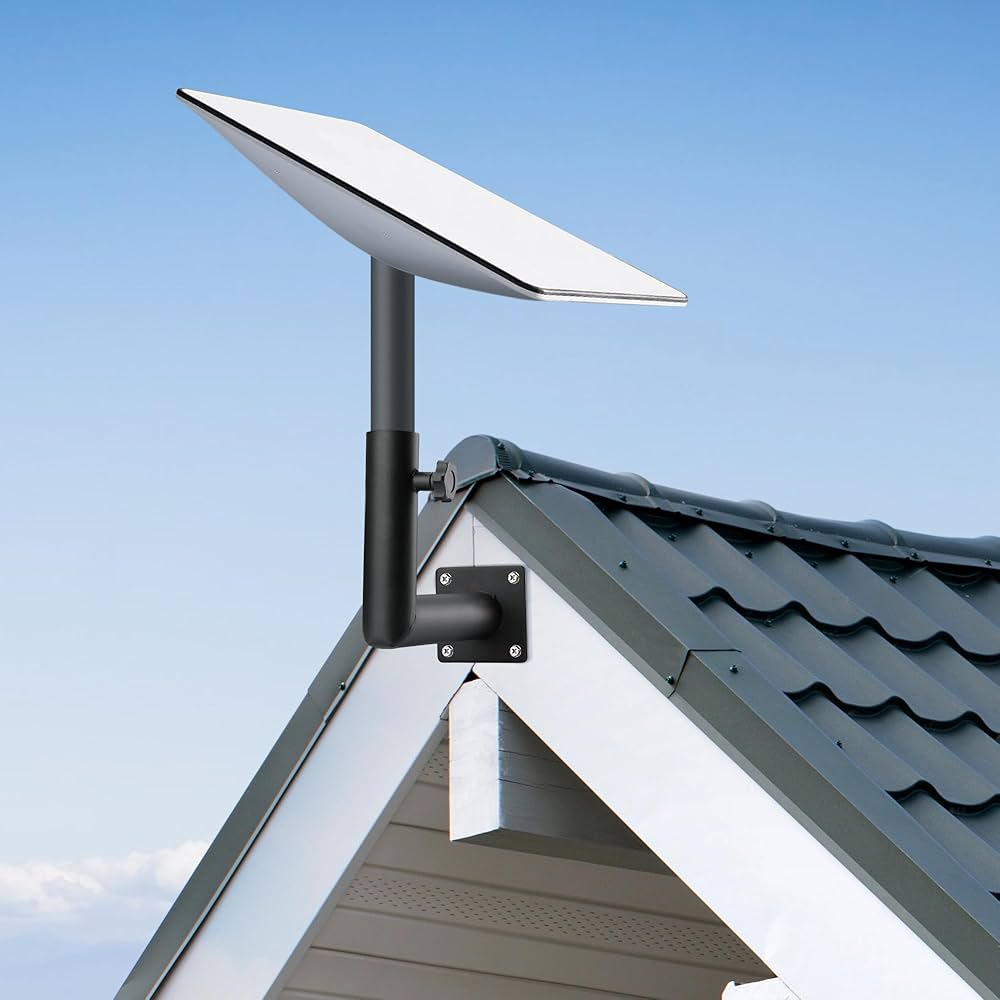
In the rural expanse of Kenya, where traditional architecture still dominates, the introduction of Starlink internet is transforming how homes connect to the world. However, the challenge for many users isn’t the service itself—it’s how to properly mount the Starlink antenna on homes built from mud, timber, mabati, or even thatched structures. These homes lack the flat concrete rooftops or reinforced beams typically needed for conventional installations. Still, innovative Kenyan users are finding creative ways to secure the dish and enjoy high-speed internet. In fact, clever community adaptations are emerging where Starlink is being installed on wooden poles, repurposed water tanks, and custom-built platforms. You can also explore how rural users are deploying Starlink efficiently despite physical limitations, and how rising demand is leading to local solutions in areas far from major towns.
For homes made from mud walls and thatch roofs, structural stability is often a concern. Mounting a Starlink antenna directly onto the roof can lead to poor alignment or even damage to the structure over time. Instead, many users in counties like Homa Bay and Marsabit are opting for external pole mounts. A galvanized steel pole, driven into the ground and braced with wire or concrete, offers a stable base for the dish. This setup ensures the antenna remains clear of obstructions like trees or nearby buildings while protecting the home itself. Some communities have even shared resources to erect shared towers where multiple homes can receive coverage from a single well-placed antenna using routers and point-to-multipoint setups.
Another popular option is to mount the Starlink dish onto water towers or elevated platforms made from timber. This is especially useful in flood-prone or swampy areas like parts of Kisumu and Tana River, where building height is essential for a clear line of sight to the satellite. Farmers are repurposing tall wooden frames, commonly used for granary storage, as Starlink mounts. They reinforce these frames with metal brackets to ensure the antenna doesn’t wobble or shift during windstorms. This approach has proven effective even in windy counties like Kajiado or Baringo, where environmental conditions demand more robust setups.
For temporary or mobile structures like tented field bases used by NGOs or wildlife rangers, the antenna is often fixed onto movable metal frames. These can be folded, dismantled, and transported easily between locations. Such systems are already being used in parts of Laikipia and Samburu, where mobile connectivity is crucial for field communication. The portability of Starlink is ideal for such operations, but only when the antenna remains securely mounted and properly aligned—hence the value of reinforced portable tripods or clamp-based mounts that can grip to wooden beams without damaging them.
When mounting on mabati (iron sheet) structures, care must be taken to prevent leaks and maintain roof integrity. Users often reinforce the installation point with wood or rubber grommets and secure the mount through roofing screws and sealants. These precautions ensure that water doesn’t seep into the roof during rains, which could weaken the entire structure. Areas like Kitui and Machakos, where mabati homes are common, are increasingly adopting such methods, sometimes using small concrete blocks at the base of poles to weigh down mounts when drilling isn’t viable.
Mounting height plays a significant role in performance. The higher the antenna is placed above tree level, the better the line of sight to Starlink’s satellite constellation. Users in densely forested areas like Kakamega are using 10–15-foot poles or even placing the dish on nearby hillsides or elevated terrain to bypass obstructions. In such scenarios, long durable Ethernet cables and outdoor-rated routers allow the dish to remain connected even at a distance from the actual home.
Starlink’s built-in app makes the alignment process more accessible, offering real-time feedback on signal obstruction. For homes without smartphones or tech-savvy residents, local technicians and youth groups are stepping in to help with setup. In many counties, community-based Starlink support is emerging, where experienced users help their neighbors install the dish, often for a small fee. This grassroots approach not only improves access but ensures that even non-conventional homes can benefit from Kenya’s growing digital transformation.
In summary, Kenya’s rural population is not waiting for perfect infrastructure to embrace Starlink. Instead, they are adapting Starlink’s technology to fit mud walls, thatched roofs, and unconventional building styles with creativity and practicality. With the right poles, brackets, and community knowledge, Starlink can be mounted just about anywhere—proving once again that innovation doesn’t always need concrete and steel. As more homes go online, these alternative mounting methods are likely to become more standardized, giving even the most remote mud house the ability to stream, connect, and grow with the rest of the world.
Don\’t struggle with your essays alone. Trust our essay writing experts at Saseni.com
At Saseni.com, we have a team of expert essay writers ready to assist you with your writing needs. Our essay writing experts are highly qualified, experienced, and passionate about delivering top-quality essays. Whether you need help with a research paper, an argumentative essay, a persuasive essay, or any other type of academic writing, our experts are here to provide you with the assistance you need.
 Hire Essay Writer