
Starlink for schools in rural Kenya: Closing the education gap
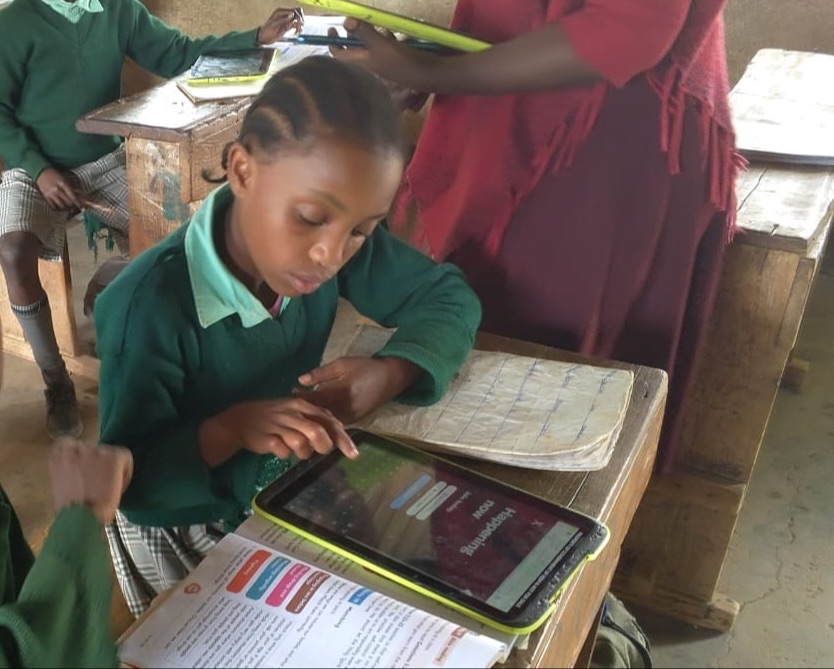
Access to quality education in rural Kenya has long been undermined by a lack of infrastructure, particularly when it comes to digital learning. Many schools in regions such as Samburu, Turkana, Kitui, and West Pokot struggle with limited teaching materials, no internet, and few tools to connect with the broader world. However, this narrative is beginning to shift with the introduction of Starlink—a satellite-based internet service that bypasses traditional mobile towers and fiber cables. For those unfamiliar with the technology, this explanation of how Starlink works in Kenya offers a clear overview. In simple terms, Starlink beams internet directly from satellites in low Earth orbit to a dish installed at the school, providing a fast, consistent connection even in the most isolated areas.
For public and private schools far from urban centers, the arrival of Starlink means a chance to bridge the digital divide that has persisted for years. Many rural institutions now report internet speeds of between 60 Mbps and 200 Mbps, enabling students and teachers to access educational platforms, download resources, stream academic videos, and attend live virtual classes. Starlink’s performance in these areas continues to attract attention, and you can explore actual performance tests here to see how it’s working in similar environments. These real-world tests show just how transformative the service can be when installed properly—even in schools with no previous exposure to online learning.
In rural classrooms, teachers are now using tools like YouTube EDU, Google Classroom, and online libraries to supplement traditional teaching. Students can participate in coding workshops, submit homework digitally, and interact with instructors beyond the school compound. For example, a primary school in Baringo recently began offering computer literacy to Class 6–8 students using cloud-based programs that require stable internet. With Starlink, they experienced no buffering during video lessons and had uninterrupted access to content for the full day.
Previously, these schools had tried to rely on mobile broadband dongles or 3G routers, but the signal was weak, the bandwidth too limited, and the cost per gigabyte too high to support consistent use. Starlink, while requiring a higher upfront investment, offers an all-day connection without worrying about data caps. Latency averages between 30ms to 70ms, allowing video conferencing with remote tutors and even participation in virtual academic competitions.
One major concern for schools has been power. Most institutions in remote areas lack stable electricity, which is essential for running both computers and internet equipment. Fortunately, Starlink works seamlessly with solar energy. Its dish consumes around 60 to 100 watts, which can be supported by modest solar power systems common in rural setups. Schools in Kajiado and Taita Taveta have successfully integrated Starlink with their solar arrays, allowing classes to go online even during Kenya Power outages or in locations with no grid access at all.
Administrators are also using the connection to handle school management tasks. From sending emails and reports to the Ministry of Education to registering students online for KCPE or KCSE exams, headteachers now operate in sync with the digital systems used in urban institutions. This has reduced the time and cost previously spent traveling to internet cafés in nearby towns just to complete simple administrative duties. Teachers can also access continuous professional development (CPD) platforms, complete training modules, and interact with education officers in real time.
In areas like Isiolo and Narok, boarding schools are now exploring shared Starlink usage across the institution—spanning offices, libraries, and dormitories—using mesh networks and Wi-Fi extenders. This setup ensures that both staff and students benefit from a reliable and fast connection. For computer labs, even a single Starlink kit can handle simultaneous internet use across 15 to 20 terminals, provided that basic bandwidth management practices are in place.
One of the most powerful aspects of Starlink in rural schools is its potential to foster global exposure. Through platforms like Zoom, Microsoft Teams, and other education exchange programs, students in remote Kenyan schools can now interact with peers across continents. Some schools are starting pen-pal video sessions and cross-border collaborations that help expand cultural understanding and language skills—initiatives that were previously impossible due to a lack of connectivity.
Cost remains the biggest barrier. The Starlink kit currently sells for around KSh 89,000 to KSh 95,000, and the monthly subscription is approximately KSh 6,500. However, some counties are exploring community-funded models, with parents, alumni, and local leaders contributing towards the initial installation. NGOs and international development partners are also stepping in to sponsor Starlink kits in regions with high poverty rates but strong educational ambition. These collective efforts are showing that with a unified vision, even resource-strained schools can access world-class internet.
Maintenance and support have also proven manageable. After initial setup, Starlink requires minimal ongoing maintenance. Most updates are automatic, and the hardware is designed to withstand dust, wind, and occasional rain. For schools needing local technical help, you can find professionals who offer installation and support services across various counties, ensuring the system remains operational all year round.
Starlink is not just another internet service—it’s an educational lifeline for rural Kenya. In a country where quality education has long been tied to location, this technology is tearing down barriers that once seemed immovable. Students from the most marginalized backgrounds are now able to access digital resources, attend global webinars, and build skills that will define the future economy. The education gap is narrowing, not through blackboards and chalk alone, but through fast, reliable internet delivered from space.
Don\’t struggle with your essays alone. Trust our essay writing experts at Saseni.com
At Saseni.com, we have a team of expert essay writers ready to assist you with your writing needs. Our essay writing experts are highly qualified, experienced, and passionate about delivering top-quality essays. Whether you need help with a research paper, an argumentative essay, a persuasive essay, or any other type of academic writing, our experts are here to provide you with the assistance you need.
 Hire Essay Writer